AI Tools That Are Changing the World in the Future
Artificial Intelligence (AI) is no longer a futuristic concept — it’s already transforming industries, reshaping how we live, work, and think. As technology continues to advance, AI tools are becoming smarter, more efficient, and more integrated into everyday life. From healthcare and education to business and creativity, AI is setting the stage for a future unlike any other. Here are some of the most influential AI tools that are changing the world and will continue to do so in the future.
1. Generative AI: Revolutionizing Creativity
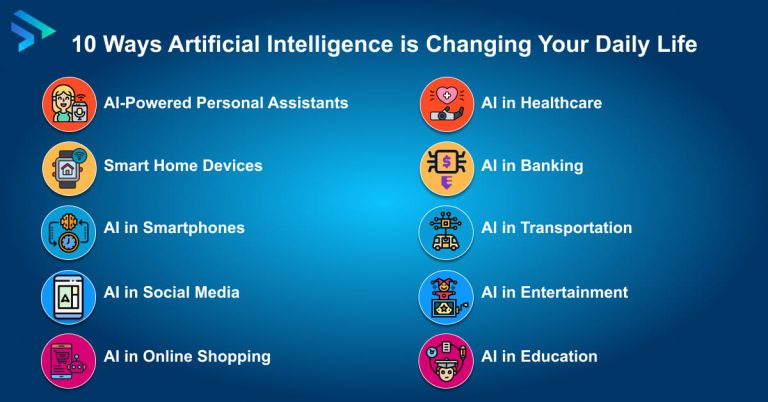
One of the biggest leaps in AI technology is the rise of Generative AI tools such as ChatGPT, Google Gemini, Midjourney, and DALL·E. These systems can generate text, music, images, and even videos with astonishing realism.
Writers use AI assistants to draft content, marketers create personalized campaigns in seconds, and designers use AI to produce unique visuals and branding ideas. In the future, generative AI will empower individuals to create professional-quality content without specialized training, democratizing creativity across the world.
2. AI in Healthcare: Enhancing Diagnosis and Treatment
Healthcare is witnessing a technological revolution powered by AI. Tools like IBM Watson Health and Google DeepMind Health are being used to analyze medical data, detect diseases early, and recommend personalized treatments.
AI-powered imaging systems can spot cancers, heart conditions, and neurological disorders with higher accuracy than humans in some cases. Moreover, AI-driven robots assist in surgeries, reducing errors and recovery times. In the near future, AI will likely become every doctor’s assistant — helping save lives through precision medicine and predictive analytics.
3. Autonomous Vehicles and Transportation
Self-driving cars are no longer science fiction. Companies like Tesla, Waymo, and Cruise are already testing autonomous vehicles on public roads. These AI-powered systems process massive amounts of real-time data to make split-second driving decisions.
In the coming decade, we can expect AI-driven public transportation, drones for deliveries, and even smart traffic systems that reduce congestion and pollution. Such innovations will make cities safer, greener, and more efficient.
4. AI-Powered Education: Personalized Learning for All
Education is being reshaped by AI tools that personalize the learning experience. Platforms like Khanmigo (from Khan Academy) and Duolingo Max use AI to adapt lessons based on each learner’s pace and performance.
AI tutors can explain complex topics in simple ways, answer questions instantly, and even assess emotional engagement through facial recognition. In the future, students around the world will have access to personalized, high-quality education, breaking down barriers of geography and inequality.
5. AI in Business and Productivity
The business landscape is changing rapidly thanks to AI tools that improve efficiency and decision-making. Platforms like Microsoft Copilot, Notion AI, and Grammarly help professionals write, summarize, plan, and analyze data seamlessly.
AI-driven analytics tools can forecast trends, detect fraud, and automate repetitive tasks — saving companies time and money. In the future, organizations that integrate AI effectively will be more competitive, data-driven, and innovative.
6. AI for Environmental Sustainability
AI is playing a major role in tackling climate change and protecting the planet. Tools such as ClimateAI and Microsoft’s AI for Earth analyze environmental data to predict weather patterns, optimize energy use, and monitor deforestation.
Farmers are using AI to monitor soil health and improve crop yields sustainably, while cities are deploying smart grids that minimize energy waste. As we move forward, AI will be crucial in developing solutions to make human progress more sustainable and eco-friendly.
7. AI in Security and Cyber Defense
With the rise of digitalization, cybersecurity threats have also evolved. AI-driven tools like Darktrace and CrowdStrike Falcon are transforming how organizations defend themselves. These systems can detect unusual behavior, prevent attacks, and respond faster than traditional methods.
In the future, AI will not only protect our data but also predict cyber threats before they occur, making digital spaces safer for individuals and businesses alike.
8. The Rise of AI Companions and Assistants
Virtual assistants such as Siri, Alexa, and ChatGPT are becoming smarter, more conversational, and emotionally aware. Future AI companions will understand human emotions, offer mental health support, and assist in day-to-day life decisions.
These systems could help elderly people live independently, offer companionship to those who feel isolated, and manage tasks like scheduling, budgeting, and home automation effortlessly.